Roofing Leads: 7 Ways to Book More Profitable Jobs
Seven practical channels and a simple qualification system for generating better roofing opportunities without wasting money on junk leads.

Profitable roofing leads do not come from chasing maximum volume. They come from targeting homeowners with a real need, qualifying them fast, and tracking every dollar from first contact to signed contract. Use these seven channels and the follow-up system below to book more inspections without filling your pipeline with tire-kickers.
Pas le temps de lire ?
- Prioritize channels that capture homeowners actively searching for roof inspections, repairs, or replacements.
- Use Local Services Ads, local search visibility, referrals, and targeted reactivation before buying large volumes of shared contacts.
- Measure booked inspections, closing ratio, acquisition cost, and gross profit instead of celebrating raw lead volume.
- No channel has a universal cost or conversion rate because competition, geography, seasonality, and follow-up speed vary.
- Start with one high-intent channel, install rapid follow-up, and track every opportunity through signed contract.
What separates a profitable opportunity from a junk inquiry?
Roofing leads are identifiable homeowners connected to a real property, a relevant roofing problem, decision authority, a serviceable location, and a workable timeline. A name and phone number alone are not an opportunity.
Strong roofing lead generation starts with five qualification checks:
- Ownership: Does the contact own the property or have authority to approve work?
- Problem: Is there confirmed damage, active leakage, an aging system, or replacement interest?
- Location: Is the property inside your profitable service area?
- Urgency: Does the homeowner want action now, this season, or at an undefined future date?
- Payment context: Is this retail, insurance-related, financed, or still undecided?
Source volume cannot predict quality. A channel producing fewer contacts can generate more gross profit if those homeowners answer, book inspections, and sign higher-value jobs.
Which seven channels can produce higher-intent opportunities?
Build a diversified mix, but fund channels according to signed-job economics. These are ranked by practical buying intent and operational value.
Google Local Services Ads can connect local customers with service providers, while NOAA storm records can help contractors validate where and when severe weather occurred. Sources: Google Local Services Ads Help and NOAA Storm Events Database documentation, accessed October 11, 2026.
| Rank | Channel | Intent | Control | Speed | Competition | Best use |
|---|---|---|---|---|---|---|
| 1 | Local Services Ads | High | Medium | Fast | High | Immediate local demand |
| 2 | Google Search Ads | High | High | Fast | High | Specific repair and replacement searches |
| 3 | Local map visibility | High | Medium | Gradual | High | Compounding local demand |
| 4 | Referrals and reviews | High | Medium | Variable | Low | Trust-driven replacements |
| 5 | Database reactivation | Medium to high | High | Fast | Low | Old estimates and past customers |
| 6 | Storm-triggered campaigns | Variable | High | Fast | High | Verified affected areas |
| 7 | Property managers and adjacent trades | Medium to high | Medium | Gradual | Medium | Repeat and referred work |
Use Google Business Profile guidance to keep local business information accurate, and use NOAA data to validate storm events rather than relying on rumors. Google Business Profile guidance and NOAA Storm Events Database documentation accessed October 11, 2026.
The operating rules are simple:
- Match each campaign to a dedicated call number or CRM source field.
- Separate repair, replacement, storm, and commercial opportunities.
- Treat exclusive roofing leads as exclusive only after confirming that they are not resold.
- Pause sources that create activity but no qualified inspections.
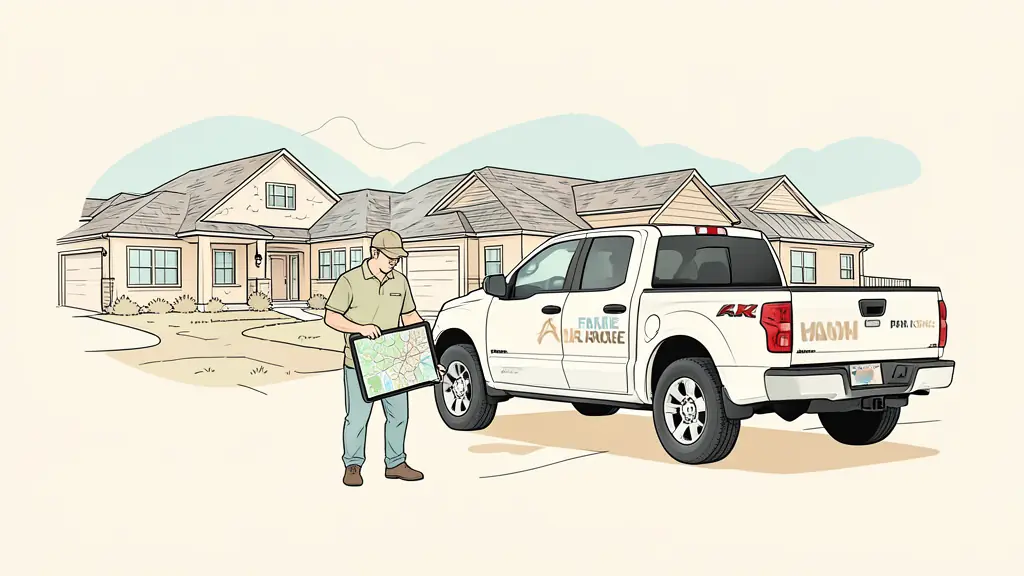
How can local search turn nearby homeowners into booked inspections?
An optimized Google Business Profile helps homeowners evaluate your company when they are actively looking for local service. Accuracy, relevance, and current proof matter more than stuffing the profile with generic content.
Service areas should accurately reflect where a business provides in-person services. Source: Google Business Profile guidance, accessed October 11, 2026.
Delegate this mobile-friendly weekly routine:
- Confirm hours, phone details, service areas, and roofing-specific categories.
- Upload recent project photos showing the roof, workmanship, and completed result.
- Request a review after each successful project.
- Respond promptly and professionally to every review.
- Check calls and messages against booked inspections in the CRM.
No routine can guarantee a map ranking. Its financial value is measured by whether profile interactions become qualified appointments and reduce your blended roofing lead cost.
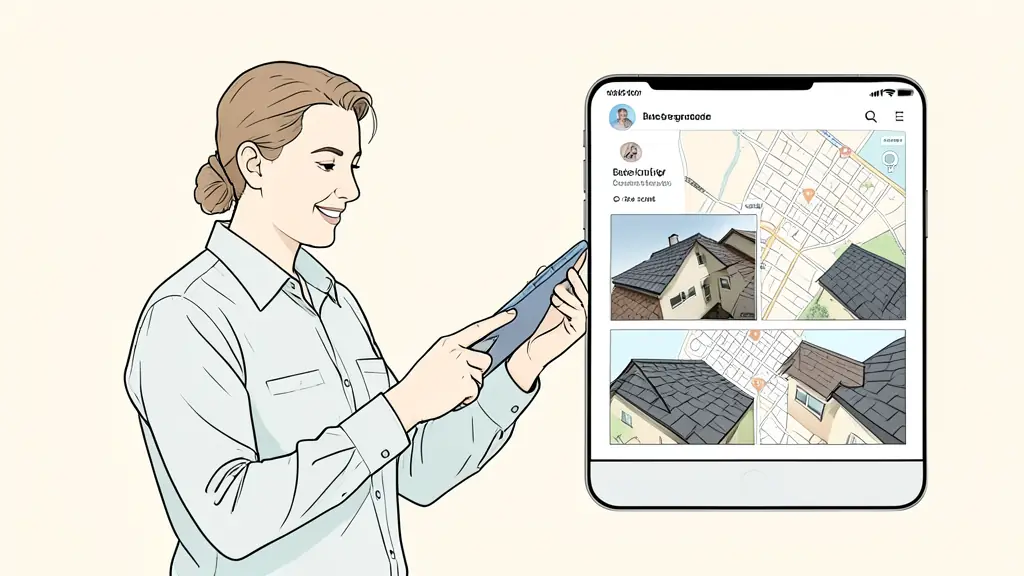
Are exclusive opportunities worth paying more for?
Exclusive opportunities may justify a higher price because fewer contractors are competing for the same homeowner. Exclusivity does not fix weak intent, inaccurate information, or missing consent.
Ask every vendor:
- Is the contact sold, shared, transferred, or resold to anyone else?
- How is homeowner consent collected and documented?
- Are homeowner status, service area, and replacement intent verified?
- What qualifies for a refund or credit?
- Is there a minimum volume or contract commitment?
- How will calls, forms, appointments, and signed jobs be attributed?
- Who owns the contact data after delivery?
Pay more only when lower bidding pressure improves your booking and close rates. Your roofing sales follow-up still determines whether the opportunity becomes revenue.
How should every new inquiry be contacted and qualified?
Automation should create speed and consistency. A salesperson should handle diagnosis, trust, and commitment.
Use this workflow:
- Send an immediate automated acknowledgment by text or email.
- Assign a call task to a specific salesperson.
- Verify ownership, address, roofing issue, timeline, and payment context.
- Offer a defined inspection window.
- Send confirmation and reminder messages.
- Move unready prospects into a structured nurture sequence.
- Stop messages when the prospect opts out, is disqualified, or speaks with the assigned rep.
Opening script:
“Hi, this is [Name] with [Company]. You contacted us about the roof at [Address]. I need to ask a few quick questions so we can send the right person. Are you the property owner, and what are you seeing with the roof?”
The automated acknowledgment stops once a two-way qualification conversation begins. The salesperson then clarifies the problem, answers questions, and books the inspection.
For leads from your Google Business Profile, preserve the original source in the CRM instead of relabeling every inbound call as “organic.” Clean attribution tells you which systems deserve more budget.
How do you know whether a lead source is actually profitable?
Do not judge a channel by cost per form submission. Track it through the signed job and calculate:
- Lead cost = channel spend ÷ total inquiries.
- Cost per qualified lead = channel spend ÷ qualified inquiries.
- Cost per booked inspection = channel spend ÷ booked inspections.
- Customer acquisition cost = channel spend ÷ signed customers.
- Close rate = signed customers ÷ qualified opportunities × 100.
- Gross profit after acquisition spend = job revenue minus direct job costs minus channel spend.
Review results by source, campaign, job type, and salesperson. A cheap lead source can be expensive when contacts are unreachable or outside your territory. A higher acquisition cost can be acceptable when it produces stronger margins and fewer wasted appointments.
Your 30-day action plan:
- Select one channel tied to a specific service and territory.
- Define ownership, problem, location, urgency, and payment qualification rules.
- Configure CRM stages from new inquiry through signed or lost.
- Review contact, booking, close, acquisition cost, and gross profit weekly.
- Scale only after signed-job economics are visible.
The winning channel is not the one producing the most names. It is the one producing repeatable gross profit without making the owner the pipeline bottleneck.
FAQ
What is the best source of leads for a roofing company?
Local Services Ads, local organic search, referrals, and Google Search campaigns usually offer the strongest purchase intent. The best source for a specific contractor depends on market competition, service mix, reputation, and sales execution.
Should roofers buy shared or exclusive leads?
Exclusive opportunities reduce direct competition but are not automatically qualified. Shared contacts can work when the price and response process make sense, but contractors should test each provider using booked appointments, signed jobs, and gross profit.
How quickly should a roofing company contact a new lead?
Contact the prospect as soon as operationally possible. Use an immediate automated text and email acknowledgment, then assign a salesperson to call, qualify, and schedule the inspection.
How should roofing contractors measure lead quality?
Track contact rate, qualification rate, inspections booked, inspections completed, closing ratio, revenue, and gross profit by source. A cheap inquiry is expensive when it never becomes a qualified appointment.
Envie d'aller plus loin ?
Laisse ton email, on te prévient dès qu'un nouvel article sort.