The State of the US Roofing Industry: Market Segments, Materials, and Growth Trends
A comprehensive breakdown of the US roofing industry, from material dominance and sustainability trends to the regulations governing the profession.
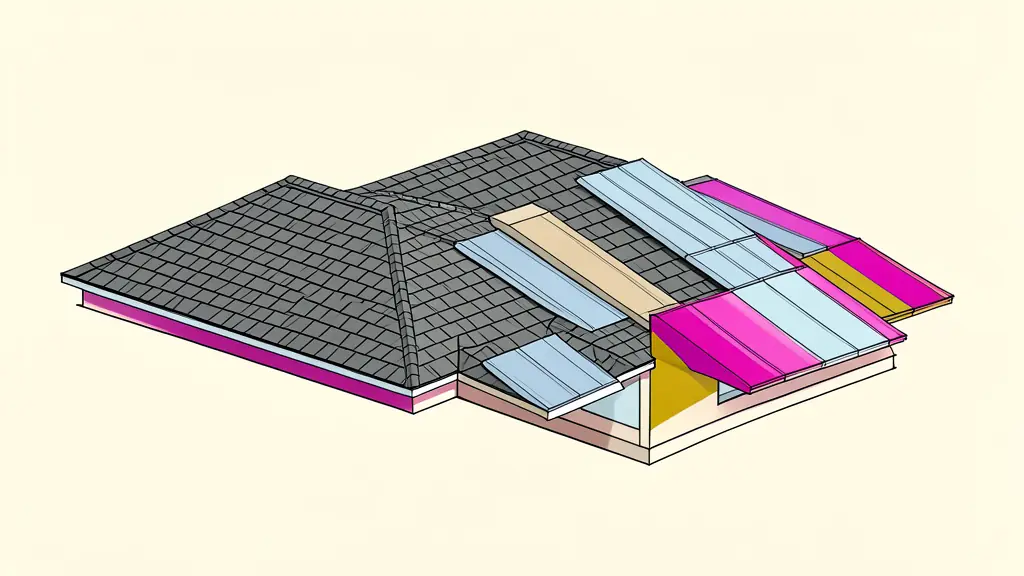
The US roofing industry is currently split between high-volume residential replacements and high-margin commercial contracts. To scale, business owners must pivot from general contracting to specializing in high-intent market segments and advanced materials that command premium pricing.
The US Roofing Industry: A High-Level Market Overview
The industry roofing landscape in the United States is not a monolith. It is a fragmented market where profitability depends entirely on which segment you dominate and how you structure your revenue streams.
Residential vs commercial roofing represents the primary divide in business operations. The residential sector is largely B2C and retail driven. It relies heavily on storm chasing, insurance claims, and curb-appeal upgrades. Revenue here is often transactional, characterized by high volume but volatile lead flow tied to weather patterns and homeowner budgets.
In contrast, the commercial sector is a B2B game focused on flat roofs and long-term asset management. Revenue models in this segment shift from one-off installations to recurring maintenance contracts. Commercial projects typically involve larger square footages and more complex specifications, requiring a different sales psychology focused on ROI and operational downtime rather than aesthetic preference.
Scaling your business requires choosing where to deploy your resources: the fast-paced, high-turnover residential market or the stable, contract-heavy commercial space.
Dominant Materials: What’s Winning the US Market?
Material choice is the primary lever for both project cost and long-term profitability. While some materials dominate due to price, others are gaining ground because of durability and energy efficiency.
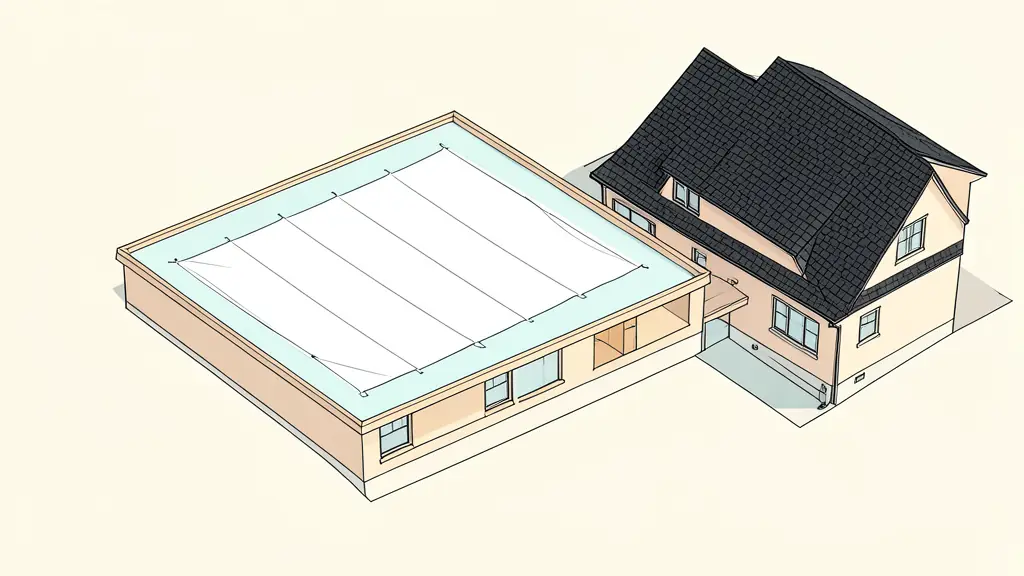
Asphalt shingles remain the undisputed king of slope roofing in the residential sector due to low upfront costs and ease of installation. However, we are seeing a significant shift toward metal roofing as homeowners prioritize longevity over initial price. In the commercial realm, the focus is on membranes that can withstand ponding water and UV exposure. TPO (Thermoplastic Polyolefin), EPDM (Ethylene Propylene Diene Terpolymer), and PVC are the standard for flat roofs, with TPO gaining rapid traction due to its reflective properties and heat-welded seams.
Understanding roofing material trends allows you to price based on value rather than just labor and materials.
| Material | Primary Segment | Key Advantage | Lifespan |
|---|---|---|---|
| Asphalt Shingles | Residential | Low Cost / Easy Install | 15-30 Years |
| Metal | Residential/Comm | Extreme Durability | 40-70 Years |
| TPO | Commercial | Energy Efficiency | 20-30 Years |
| EPDM | Commercial | Impact Resistance | 20-30 Years |
Critical material considerations include:
* Weight loads: Metal and tile require structural audits that asphalt does not.
* Installation speed: TPO and EPDM allow for faster coverage of large commercial footprints.
* Maintenance: Flat roof membranes require specific coating cycles to prevent degradation.
The Sustainability Pivot: Eco-Friendly Roofing Trends
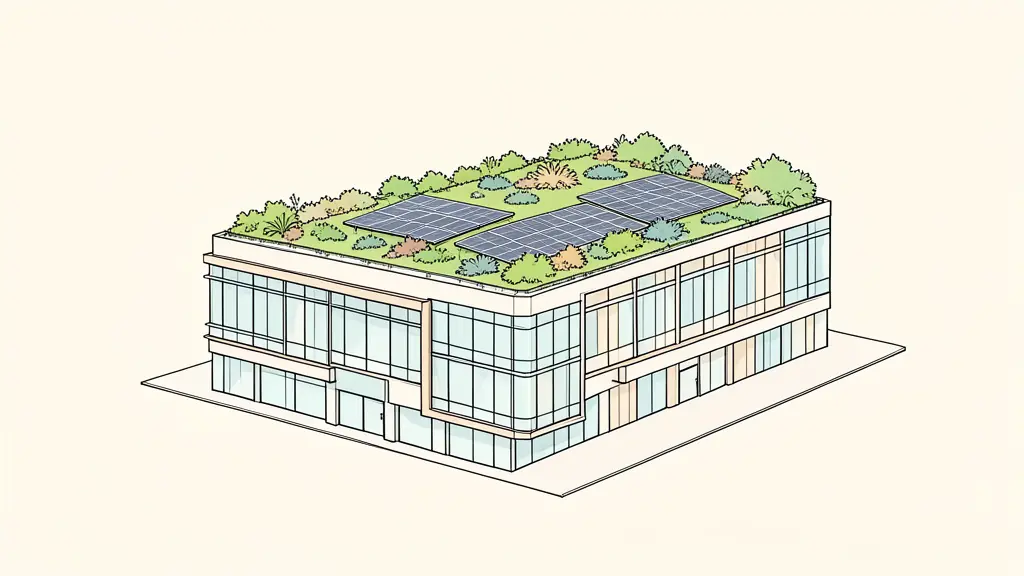
Sustainability is no longer a marketing gimmick; it is becoming a prerequisite for winning high-ticket contracts. The shift toward sustainable architecture is driving a demand for materials that reduce the urban heat island effect and lower HVAC costs.
Cool roofs, which reflect more sunlight and absorb less heat, are now a priority for commercial owners looking to lower operational expenses. This shift is heavily influenced by Energy Star ratings and LEED certifications, which provide a framework for building owners to prove their property’s efficiency. For the contractor, this means the ability to charge a premium for specialized, eco-friendly installations.
Compliance with US roofing regulations regarding energy efficiency is increasingly tied to tax incentives and local building codes, making « green » roofing a strategic sales tool.
Key drivers of the sustainability pivot:
* Recycled Content: Increased use of reclaimed rubber and composite materials.
* Thermal Performance: Integration of high-R-value insulation to meet strict energy codes.
* Permeability: The rise of green roofs (vegetated layers) in urban commercial zones to manage stormwater.
Compliance and Safety: The Non-Negotiables of the Trade
In the US market, technical skill is irrelevant if you cannot pass a safety audit or meet local building codes. Compliance is the foundation of risk management and a critical component of your sales pitch.
The regulatory framework is governed by the International Building Code (IBC) for commercial structures and the International Residential Code (IRC) for homes. These codes dictate everything from wind uplift requirements to fire ratings. Beyond the build, OSHA (Occupational Safety and Health Administration) compliance is non-negotiable. A single safety violation can wipe out the profit of ten projects through fines or increased insurance premiums.
To separate yourself from the « chuck-in-a-truck » competitors, you must leverage manufacturer certifications. Being a certified installer for brands like GAF or Owens Corning serves as a trust signal, allowing you to offer extended warranties that uncertified contractors cannot. This shift toward certified, sustainable roofing solutions increases your closing ratio on high-ticket replacements.
Essential compliance checkpoints:
* Fall Protection: Strict adherence to OSHA railing and harness standards.
* Permitting: Ensuring all slope roofing projects meet local zoning and wind-load codes.
* Certification: Maintaining active status with top-tier material manufacturers to unlock premium warranty tiers.
Future Outlook: Automation and Material Science
The next decade of growth will not come from working harder, but from integrating technology into the installation and estimation process. The industry is moving toward a model where material science and automation reduce labor bottlenecks.
We are seeing the emergence of smart roofing tech, including integrated sensors that can detect leaks or structural shifts in real-time. This transforms the business model from reactive repair to proactive, data-driven maintenance. Simultaneously, automation in the form of robotic nailers and precision drone mapping is shortening the sales cycle by providing pinpoint accurate measurements without the need for manual climbing.
As roofing industry standards evolve, the contractors who embrace these tools will be able to bid more accurately and execute projects with fewer errors.
Upcoming shifts to watch:
* AI-Driven Estimating: Moving from manual take-offs to automated, software-based bidding.
* Advanced Polymers: The development of self-healing membranes for commercial flat roofs.
* Regulated Material Shifts: Anticipating new environmental laws that may phase out certain petroleum-based products.
Envie d'aller plus loin ?
Laisse ton email, on te prévient dès qu'un nouvel article sort.