Construction Loans News: How Current Financing Trends Impact Your Next Project
Get the latest on construction loan news, from GSE policy shifts to a breakdown of the best loan types and eligibility rules for today's market.
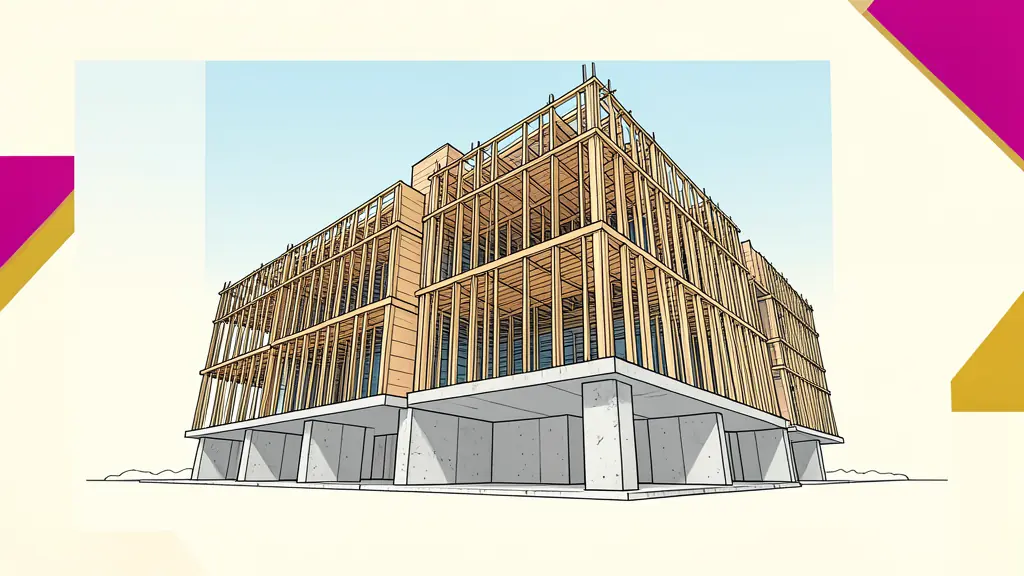
Current construction financing is shifting as legislative efforts push government-sponsored enterprises (GSEs) to expand credit access and lower costs for builders. Whether you are managing a high-ticket replacement or a full build, understanding these policy changes is the key to securing better loan terms and stabilizing your project pipeline.
No time to read?
- GSEs (Fannie Mae/Freddie Mac) are central to the availability and securitization of construction loans.
- Construction-to-permanent loans are the most efficient path for owner-occupiers to avoid double-closing costs.
- Draw schedules are the primary mechanism for funding, tied strictly to project milestones and inspections.
- Current market volatility has led to stricter underwriting and higher down payment requirements.
Construction Loan News: The State of Play
The landscape of construction financing is currently defined by a push for systemic reform. At the center of the latest construction loans news is the role of Fannie Mae and Freddie Mac, the government-sponsored enterprises (GSEs) that have remained in conservatorship since September 2008. Recent legislative efforts, including a three-bill housing package, aim to allow these entities to buy and securitize construction loans more aggressively to boost housing supply and reduce the cost of building homes.
For the contractor, this shift is critical. When GSEs increase their appetite for these loans, liquidity flows more easily to the borrower, which means fewer stalled projects and more reliable funding. A primary focus of these developments is the expansion of the construction-to-permanent loan, a product that streamlines the process by combining the build phase and the long-term mortgage into one single financial vehicle.
Construction loan delinquencies increased for a second consecutive quarter.
Trepp
This rise in delinquencies serves as a reminder that while policy aims to expand access, lender risk appetite remains sensitive to market performance.
How Policy Shifts Impact Your Project Pipeline
When Congress and the FHFA discuss GSE construction lending, the conversation isn’t just about banking technicalities: it is about how many homes you can actually put in the ground. The goal is to bridge the gap in housing affordability by supporting middle-income housing developments and reducing the financing friction that often kills a project before the first shovel hits the dirt.
These policy shifts impact your pipeline in several tangible ways:
- Increased Liquidity: If Fannie Mae and Freddie Mac are empowered to purchase construction loans, local lenders are more likely to approve loans because they can move those assets off their books.
- Lower Financing Costs: Increased competition and GSE support can lead to lower interest rates for borrowers, making high-ticket projects more attractive.
- Expanded Eligibility: New legislative guardrails may tie conforming loan limit growth to household income, potentially opening the door for a wider range of borrowers.
- Reduced Risk for Builders: More stable financing means fewer « stop-work » orders caused by borrower funding collapses.
Ultimately, these changes are designed to balance the need for aggressive housing production with taxpayer protections, ensuring that the expansion of credit does not lead to systemic instability.
Construction Loans vs. Traditional Mortgages
A traditional mortgage is straightforward: the home exists, the value is appraised, and the funds are released in one lump sum. Construction loans are entirely different beasts because they involve speculative value and ongoing risk.
The most significant difference is the disbursement. Instead of a single check, funds are released through a draw schedule. This means the lender pays out portions of the loan as specific milestones are met (e.g., foundation poured, framing complete). Because the lender is taking on the risk of an unfinished structure, these loans typically carry higher interest rates than a standard 30-year fixed-rate mortgage.
Another key distinction is the payment structure. Many construction loans require interest-only financing during the build phase. The borrower isn’t paying down the principal while the house is being built; they are simply covering the cost of the capital being used. Once the project is complete, the loan is either paid off in full (construction-only) or converted into a permanent mortgage.
Breaking Down Construction Loan Types
Choosing the right loan depends on the borrower’s credit profile and the project’s scope. Current efforts toward housing finance reform aim to make these options more accessible, particularly for those targeting middle-income housing.
| Loan Type | Best For… | Key Feature | Conversion |
|---|---|---|---|
| Construction-Only | Experienced builders or flippers | Short-term, higher risk | Requires full payoff at completion |
| Construction-to-Permanent | Primary homeowners | Single-close convenience | Automatically converts to mortgage |
| FHA Construction | Lower credit scores/Low down payment | Government-backed | Converts to FHA mortgage |
| VA Construction | Eligible military veterans | 0% to low down payment | Converts to VA loan |
| USDA Construction | Rural property builds | Rural-approved areas | Converts to USDA loan |
For those focusing on renovations rather than new builds, the 203(k) rehab loan or the HomeStyle Renovation Loan provide paths to fund fixer-uppers by wrapping the cost of materials and labor into the mortgage.
Underwriting Realities: Risks, Limits, and Eligibility
The « grit » of construction financing happens during underwriting. Lenders aren’t just looking at the borrower; they are looking at the contractor’s budget and the project’s viability. Because of the inherent risk, down payment thresholds are often steep, sometimes requiring 20% to 30% down.
Eligibility often hinges on a combination of credit scores and equity. For example, some programs might allow a 500 score with 10% down, while others require a 580 score with 3.2% down. If you are looking to scale your operations, understanding how to help your clients navigate scaling your business capital and financing can be a massive competitive advantage.
Some bills tie conforming loan limit growth to household income.
Underwriting is further complicated by the TRID framework, which governs how loans are disclosed. Technical disclosure errors can lead to significant delays, increasing the compliance burdens on lenders and slowing down the funding of your project.
Common underwriting requirements include:
* Detailed construction plans and specifications.
* A comprehensive budget with a clear timeline.
* Proof of contractor licensing and insurance.
* A verified « conforming loan limit » to ensure the loan can be sold on the secondary market.
The Draw Schedule: How Funding Actually Hits the Job Site
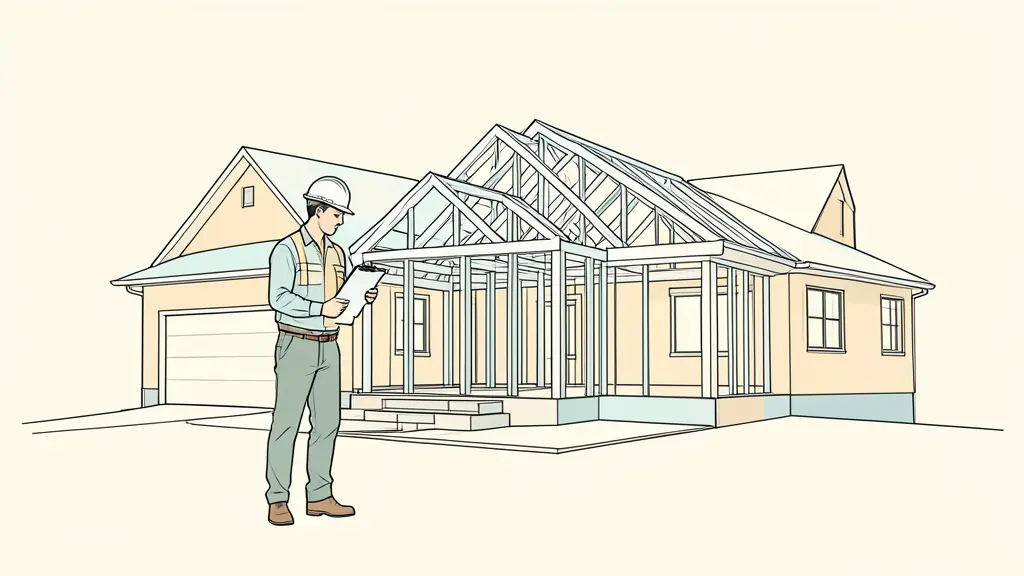
The draw schedule is the heartbeat of a construction project. It is the agreed-upon timeline of payments that ensures the contractor is paid for work completed and the lender that the project is progressing.
Typically, the process follows a strict sequence: the contractor requests a « draw » (a payment), the lender sends an inspector to the job site to verify the work is done, and once approved, the funds are released. These draws are paid to the contractor to cover labor, materials, and permits.
To avoid cash-flow bottlenecks, contractors must be precise with their documentation. If an inspector finds that the framing is only 80% complete but the draw request was for 100%, the payment will be delayed. This creates a gap that the contractor often has to bridge with their own capital. To mitigate this, some builders utilize builder buydowns or negotiate a one-year rate lock to provide more certainty for the borrower, which in turn stabilizes the project’s financial health.
FAQ
When do construction loans convert to mortgages?
Typically, the loan converts to a permanent mortgage once the home is completed and a certificate of occupancy is issued. This transition usually happens automatically in ‘construction-to-permanent’ loans.
Why are construction loans more expensive than traditional mortgages?
They carry significantly higher risk for the lender because the collateral (the house) doesn’t exist yet. Lenders charge a premium to cover the risk of project failure or cost overruns.
Who can qualify for a construction loan?
Generally, borrowers with strong credit scores, a stable income, and a significant down payment (often 20% or more). Some government-backed loans like VA or USDA have more flexible requirements.
Envie d'aller plus loin ?
Laisse ton email, on te prévient dès qu'un nouvel article sort.